Can stress increase blood sugar? From work deadlines to the pressure of personal relationships, and quite honestly, uncertain turns in life outcomes, creating this huge stress in our lives, not to mention how much this can affect our very being. One of the lesser-known effects of chronic stress on the body is the alteration of blood sugar levels. Many of the people in general have it that food intakes and their activity levels have a role to play in the glucose levels. Others are less aware of the fact that stress can also raise blood sugar levels, especially in diabetics.
This lead to a discussion on blood sugar stress and its physiological changes due to stress; it discusses also some of the practical methods of dealing with stress and blood sugar levels. Can stress increase blood sugar? Let’s read in this article
Can Stress Increase Blood Sugar? Understanding the Stress Response

Stress response is the mode in which the body sets its natural defense system in operation: the fight or flight response. Under stressful conditions, the brain sends a signal to the adrenal glands to release hormones like adrenaline and cortisol. These hormones prepare the body to react as perceived threats by:
- Increasing heart rate
- Raising blood pressure
- Releasing stored glucose from the liver to provide quick energy
This response is quite helpful in short-term emergencies, but with chronic stress, there could be elevated blood sugars for long periods which would pose problems for individuals controlling diabetes or prediabetes.
How Stress Raises Blood Sugar
Hormonal Impact
This is because cortisol, the so-called stress hormone, raises blood sugar levels. When cortisol is released, the liver puts more glucose into the bloodstream; it has to for more energy, having extra fuel for the fight against stress. In the case of the diabetic patient, however, the endogenous glucose accumulates, producing hyperglycemia.
Resistance to Insulin
In this long-term stress, the main features of the cell are that all types of cells lose insulin reactivity, the hormone that is incorporated into energy within other cells. Consequently, sugars in the blood increase. Chronic stress has been shown to be a risk factor for type 2 diabetes, indicating the indirect glucose elevation through stress.
Unhealthy Eating Patterns
A lot of people, when subjected to stress, tend to seek their comfort foods, most likely those high in sugars and simple carbohydrates. Emotional eating results in sudden surges of blood sugar, especially when indulged in copious amounts. These foods can also serve in triggering stress’s indirect role in increasing blood sugar.
Disrupted Sleep Patterns
Stress tends to alter sleep patterns, resulting in insomnia or disturbed sleep quality. Poor sleep will thereby worsen glucose metabolism, with increasing insulin resistance, leading to a vicious loop of high blood sugar. Stress-induced poor sleep is quite a common reason for fluctuations in blood sugar.
The Role of Chronic Stress in Diabetes Management
It will definitely help to manage chronic stress for people suffering from diabetes. Prolonged stress can multiply the hyperglycemic episodes and make blood-sugar control difficult. Stress management practices are, therefore, strongly recommended as part of a comprehensive diabetes care plan, so that more optimum glucose control can be achieved.
How Mental State Affects Blood Sugar
Mental and emotional health is interrelated with stress. Anxiety, depression, and long-term stress can create imbalance of hormones, which ultimately leads to an increased amount of blood glucose. Thus, mental wellness and blood sugar stability appear as essential points for lessening diabetes complications.
Long-Term Health Risks of Stress-Induced High Blood Sugar
Long-standing hyperglycemia, secondary to chronic stress, can increase the risks of some major health problems, including:
- Cardiovascular disease
- Nerve damage (neuropathy)
- Disorders of the kidney
- Visual impairment
- Worsening of existing diabetes symptoms
Stress Preventive Measures and Routine Management
Consider the following measures that can minimize stress’s effect on blood sugar levels:
- Plan a day where you have relaxing time.
- Indulge in stress reduction methods such as yoga and meditation.
- Be moderate with caffeine and alcohol, as they can add to stress and interrupt sleep.
- Stay connected to friends and support groups whenever you feel stressed out.
- Incorporate stress-busting hobbies like gardening, artwork, or reading into your timetable.
Symptoms of Stress-Induced Blood Sugar Spikes
When stress raises blood sugar levels, you may experience symptoms such as:
- Increased thirst and urination
- Unexplained fatigue
- Mood swings and irritability
- Difficulty concentrating
- Elevated glucose readings despite following a routine
Managing Stress to Control Blood Sugar
Managing stress is crucial for maintaining healthy blood sugar levels. Here are some effective strategies:
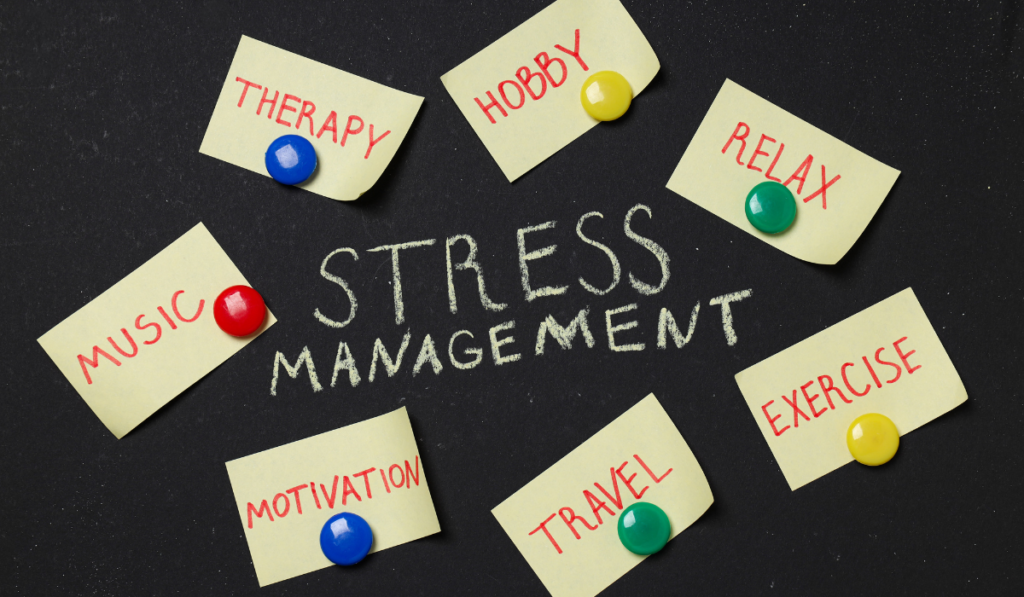
- Mindfulness and relaxation: Meditation, deep breathing exercises, and progressive muscle relaxation have been known to reduce cortisol levels and lower glucose spikes caused by stress. Mindfulness practices are particularly important for blood sugar levels affected by stress.
- Physical Activity: Regular exercise reduces stress hormones and improves insulin sensitivity. Walking, swimming, or doing yoga almost always do with both stress and blood sugar management.
- Balanced Meals: Eat more balanced meals. Whole grains, lean protein, and fiber are needed for stability in blood sugars. Avoid sweet, high-sugar snacks that can wind up causing quick spikes in glucose.
- Sleep Well: Set a relaxing routine before bed to sleep well. Rest for 7–9 hours every night since this is important for glucose regulation.
- Seek Emotional Support: Consult friends, family, or ask a counselor about what is stressing most and see how you can relieve it. This is one of the best ways to get social factors that are indeed involved in mental and physical well-being.
If blood sugar control is a challenge, Sugar Block can help. Take control of your health—order now!
Conclusion
Can stress increase blood sugar? The evidence says yes. By understanding how these two factors relate, one can better develop methods for managing stress and controlling blood glucose level. This learning is especially critical to all those who have diabetes and insulin resistance. Keep in mind, The more effective the stress management, the most stable your blood sugar patterns will be.
FAQs
Will stress induce a sudden elevation in blood glucose?
Indeed, when an individual encounters stress, his/her blood sugar would suddenly rise because of the action of the stress hormones particularly produced, such as by cortisol.
So if stress does raise high blood sugar, is it really dangerous?
For poorly controlled conditions, however, long-term consequences may come from stress-induced elevated blood sugar, especially in patients with diabetes.
How do I know if I am getting sugar-high from stress?
Such glucose-monitoring measures can point to spikes in high blood sugar with verifiable stresses.
Does meditation lower blood sugar?
Yes, meditation or any other relaxation technique helps in lowering the stress hormones up to levels and then the glucose levels in blood.
Does stress management improve diabetes?
Therapeutic stress management would be beneficial to the patient in controlling diabetes as it would cause fewer instances of hyperglycemic attacks.