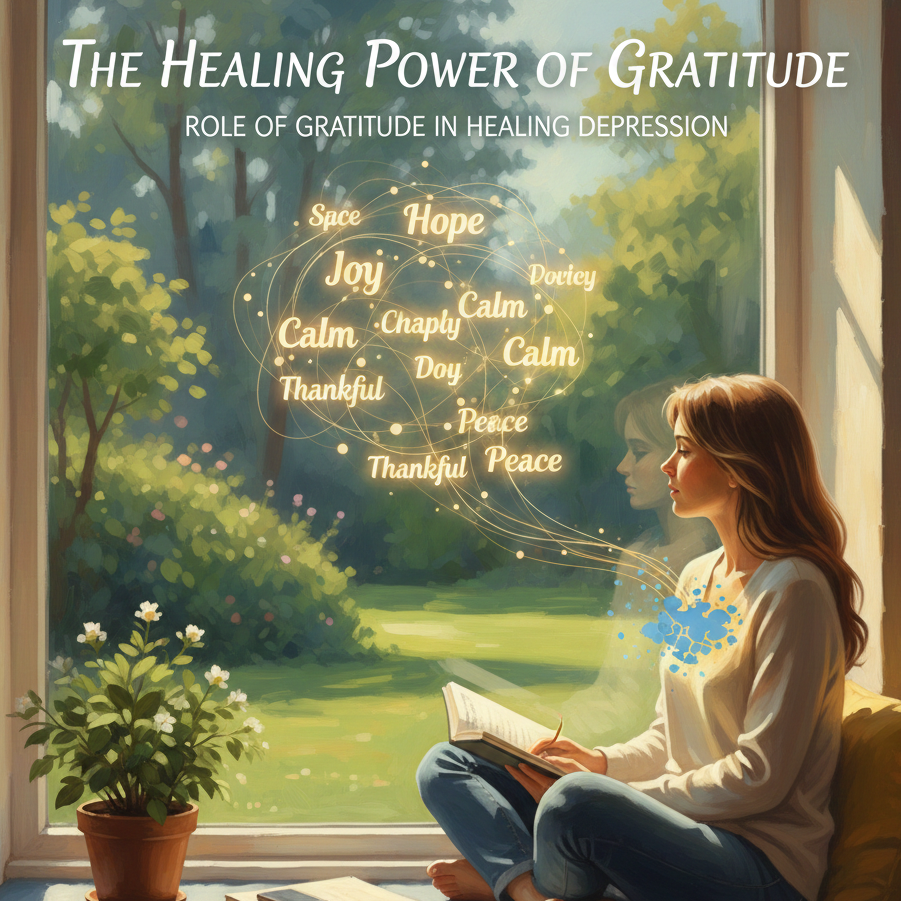
Depression can make life feel heavy, empty, and hopeless. Simple daily tasks start feeling difficult, and the mind often focuses only on pain and loss. While gratitude is not a cure for depression, it plays a powerful supportive role in emotional healing and mental balance.
Gratitude helps shift attention from what is missing to what is still present. This small shift can slowly bring light into a dark mental space.
Understanding Gratitude in Depression
Gratitude does not mean forcing happiness or ignoring pain. During depression, feeling thankful can feel hard—and that is okay. Gratitude is about gently noticing small positives, even on difficult days, without pressure or judgment.
How Gratitude Supports Healing
1. Changes Thought Patterns
Depression often creates negative thinking loops. Practicing gratitude helps interrupt these patterns by reminding the brain that not everything is bad. Over time, this trains the mind to notice balance instead of only pain.
2. Improves Emotional Stability
Grateful thoughts activate parts of the brain linked to calmness and emotional regulation. This can reduce emotional heaviness and bring moments of mental relief.
3. Builds Hope and Meaning
Depression often removes a sense of purpose. Gratitude reconnects a person with small meaningful experiences—kind words, nature, support, or personal strength—helping rebuild hope step by step.
4. Strengthens Human Connection
Expressing gratitude improves relationships. Feeling connected and supported reduces loneliness, which is a major factor in depression.
5. Supports Better Sleep and Energy
Practicing gratitude before sleep can reduce racing thoughts. Better sleep improves mood, energy levels, and emotional resilience.
Simple Gratitude Practices for Depression
Start Small
One thing is enough. It can be as simple as “I am grateful for fresh air” or “I got out of bed today.”
Write Without Pressure
Keep a small gratitude journal. Write freely, without worrying about positivity or perfection.
Gratitude in Difficult Moments
Some days, gratitude may simply be “I survived today.” That is valid and meaningful.
Practice Self-Gratitude
Thank yourself for trying, resting, or asking for help. Self-appreciation is healing.
Important Reminder
Gratitude is not a replacement for therapy, medication, or professional support. Depression is a medical condition, and seeking help is a sign of strength. Gratitude works best as a supportive habit alongside proper care.
Final Thoughts
Healing from depression is not fast, and it is not linear. Gratitude offers gentle support during the journey. Even small moments of appreciation can slowly soften emotional pain and create space for healing